Required Fishing Equipment Pieces for Your Next Trip
When preparing a fishing trip, choosing the appropriate equipment is crucial. Essential components include rods, reels, and protective gear. A well-stocked tackle box facilitates availability to necessary lures and lines. Understanding bait varieties and methods can significantly impact success on the water. Additionally, carefully-selected accessories improve comfort and camaraderie. What should fishermen focus on when choosing their equipment? This guide will direct you through the essential items for a successful outing.
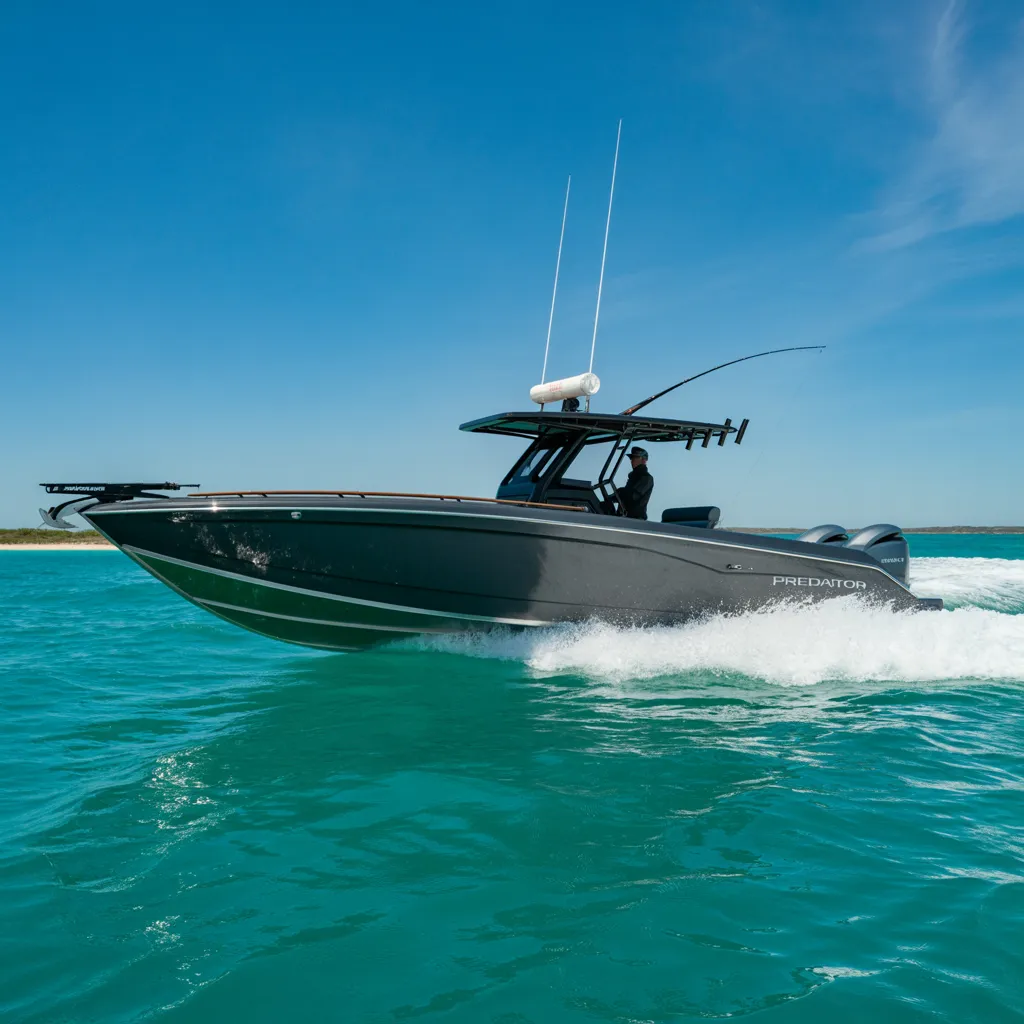
Essential Angling Poles and Spools
When plotting a rewarding fishing trip, settling on the right rods and reels is essential. The preference of rod should correspond to the type of fishing, whether it be freshwater or saltwater, and the species targeted. Spinning rods are multipurpose and easy to handle, making them perfect for beginners. In contrast, baitcasting rods provide greater finesse and regulation, appropriate for more experienced anglers.
Reels fulfill an important function; spinning reels are practical and successful for assorted techniques, while baitcasting reels ensure superior line management and accuracy. Coordinating the rod and reel with regard to strength and feel confirms maximum performance. Casting length is an additional aspect; longer rods permit increased range, while shorter-length rods offer superior control in limited areas. As a whole, the optimal combination of rods and reels can significantly elevate the fishing experience, rendering it far more enjoyable and productive.
Safety Equipment for a Seamless Trip
When organizing a fishing trip, safety gear plays an essential role in providing a smooth experience. Vital supplies like life jackets and vests, first aid essentials, and emergency communication devices significantly increase safety when on the water. Preparing for unforeseen circumstances allows anglers to focus on enjoying their outing while remaining secure.
Personal Jackets And Vests
A dependable life jacket or vest is essential for guaranteeing safety on every fishing excursion. These devices provide buoyancy and help reduce the risk of drowning if there are unexpected falls into the water. Available in different styles and sizes, they meet different activities and preferences, offering comfort while fishing. Many modern life jackets are designed to be lightweight and allow easy movement, enabling anglers to fish without limitation. It is vital to choose a U.S. Coast Guard-approved model to adhere to safety standards. Proper fit is also important, as an ill-fitting life jacket might be ineffective. By prioritizing safety with a high-quality life jacket or vest, anglers can focus on enjoying their time on the water.
First Aid Basics
Essential medical supplies are important for any fishing trip, ensuring that anglers are prepared for minor injuries or health problems that may occur on the water. A adequately stocked first aid kit usually includes adhesive bandages, antiseptic wipes, and gauze pads to handle cuts and scrapes. It is additionally wise to carry pain relievers, like ibuprofen or acetaminophen, to relieve discomfort. Tweezers can help remove splinters or hooks, while a cold pack reduces swelling from minor injuries. For those prone to allergic reactions, antihistamines are necessary. Lastly, a first aid manual can provide guidance in case of more serious injuries. Having these essentials on hand promotes a safer, more enjoyable fishing experience.
Urgent Contact Gadgets
Fishing trips can rapidly become dangerous without adequate communication equipment, as unforeseen circumstances may arise on the water. Vital equipment like VHF radios allow anglers to stay in contact with nearby boats or shore, offering a safety net in emergencies. Additionally, satellite phones offer coverage in remote areas where cell signals are unreliable, guaranteeing that assistance can be summoned if needed.
Personal locator beacons (PLBs) are indispensable, broadcasting distress signals to rescue personnel even in the most isolated locations. Furthermore, possessing a whistle or mirror can enhance visibility and audibility in emergencies. Equipping a fishing trip with these distress signal tools not only enhances safety but also ensures peace of mind, permitting anglers to experience their adventure.
Tackle Boxes You Mustn't Angle Leave Behind
Tackle boxes serve as indispensable resources for any angling adventure, delivering neatly arranged storage spaces to preserve equipment accessible and straightforward to locate. The decision regarding waterproof materials is important to safeguard contents against the elements, making sure everything remains dry and functional. Moreover, evaluations of size and portability can significantly enhance a fisher's experience, making carriage simple.
Key Storage Area Organization
A well-organized tackle box can greatly enhance a fishing trip, ensuring that everything from lures to lines is within easy reach. An practical tackle box is equipped with compartments meant for specific items, such as soft plastics, hard baits, and terminal tackle. By organizing gear, anglers can quickly locate what they need, reducing frustration and increasing time spent fishing. Using adjustable dividers allows for personalization, accommodating various sizes and types of equipment. In addition, clear containers help anglers manage inventory at a glance. Regular maintenance is essential; routine arranging and cleaning the tackle box makes certain that that everything is in its place, ready for the next outing. Ultimately, thoughtful compartment organization changes a tackle box into a efficient fishing companion.
The Importance of Waterproof Materials
Proper arrangement of tackle and equipment is only part of the equation; the substances used in tackle boxes greatly affect their performance on the water. Waterproof materials are vital for safeguarding tackle and gear from the weather. Rain, splashes, and humidity can harm lures, hooks, and other important items, leading to costly substitutions. Premium tackle boxes made from waterproof materials guarantee that contents remain dry and functional, allowing anglers to focus on fishing rather than worrying about gear deterioration. Additionally, these substances often come with added durability, withstanding wear and tear from rough handling or abrasive conditions. Ultimately, choosing a tackle box constructed from water-resistant substances improves the overall angling adventure, safeguarding equipment and maximizing performance in various environments.
Size and Portability Points
How does one achieve the ideal equilibrium between size and portability when selecting a tackle box? Anglers face this dilemma frequently, as a properly selected tackle box must hold a variety of gear while staying easy to transport. A larger box may contain more tackle but can become cumbersome during travel, particularly on foot or by kayak. Conversely, a small box guarantees portability but may limit usable space for essential items.
To address this challenge, anglers should think about their angling approach and the particular equipment needed for their excursion. Modular tackle boxes, which enable customizable storage, often offer an perfect answer. In the end, the proper tackle box enhances the angling experience by blending functionality with convenience, making certain fishermen are always equipped.
Lure Categories and Fishing Approaches
Success in fishing often depends on the thoughtful choice of bait options and the methods used. Anglers helpful resource typically choose between live bait, such as minnows or worms, and synthetic lures, which mimic the appearance and movement of prey. Each bait type has its advantages; living bait tends to attract a wider variety of fish, while artificial baits allow for varied presentations and can cover additional water efficiently.
Angling approaches differ greatly depending on desired catch and surrounding circumstances. For instance, ground fishing is productive for species like catfish, using weights to position bait at the bottom. By contrast, fly angling targets fish like trout, applying lightweight flies that remain atop the water. Dragging, a technique consisting of pulling bait behind a moving boat, works well for big fish like salmon. In conclusion, understanding the combination of bait types and methods can significantly boost an fisherman's chances of catching fish on any angling expedition.
Entertaining Gear to Make Your Fishing Trip Memorable
Fishing trips can be elevated with a range of fun add-ons that elevate the overall experience. One popular addition is a individualized tackle box, allowing anglers to organize their tools while adding a touch of uniqueness. Additionally, themed garments, such as coordinated hats or shirts, promotes camaraderie among fellow anglers and acts as a fun souvenir.
Portable Bluetooth speakers can produce an upbeat setting, supplying the perfect soundtrack for a day on the water. For those who love photography, a waterproof camera or smartphone case documents memorable moments without the worry of water damage.
To conclude, a fish-inspired game or deck of cards can divert during rest periods, ensuring the trip enjoyable even when the fish aren't biting. By incorporating these stimulating accessories, anglers can establish lasting memories and elevate the overall delight of their fishing adventures.
Picking the Optimal Fishing Tools
Choosing the correct fishing gear is vital for securing a fruitful expedition on the water. Anglers must evaluate various aspects, encompassing the type of fish they seek to land, the environment, and individual skill levels. For freshwater fishing, a medium-action rod coupled with a spinning reel is often ideal, while saltwater fishing may necessitate stronger tackle to withstand bigger species.
Line strength and selecting the right lure also hold great importance; a appropriately matched line can prevent breakage, while the right lure can bring in the fish you want. Additionally, safety equipment, including life jackets and sun protection, should not be overlooked.
Finally, it's important to choose equipment that aligns with one's budget and tastes. Quality equipment can enhance the angling experience, making it more pleasant and productive. By thoughtfully choosing their equipment, fishermen can increase their odds of a satisfying fishing expedition.
Frequently Asked Questions
What Fishing Destinations Are Perfect for Beginners?
New anglers frequently realize success at local ponds, rivers with calm waters, and designated fishing lakes. These locations typically provide accessible shorelines, ample fish stocks, and a welcoming environment conducive to learning the basics of fishing.
What Influence Do Weather Patterns Play in Fishing Success?
Weather factors greatly impact fishing results; overcast skies often improve fish behavior, while bright sunlight can drive them deeper. Wind can stir the water, making fish more aggressive, while storms may temporarily stop bites.
What Licenses Must I Obtain to Fish Legally?
To angle legally, individuals typically need a valid fishing license granted by their region or country. Regulations differ, so reviewing regional requirements is essential to ensure adherence with particular regulations for recreational or commercial fishing.
Are age limits required for fishing in public waters?
Age limitations for fishing in public waters vary by state and locality. Generally, young people may fish with adult supervision, while certain areas mandate permits for specific age groups. Investigating regional rules guarantees adherence with relevant legislation.
What Ought to I Accomplish if I Land a Fish?
After catching a fish, one should thoughtfully manage it, observing local regulations. If intending to keep it, guarantee proper storage; otherwise, kindly return it back into the water to minimize stress and assure survival.